Creating a Welcoming Orientation Experience | Presentation Design
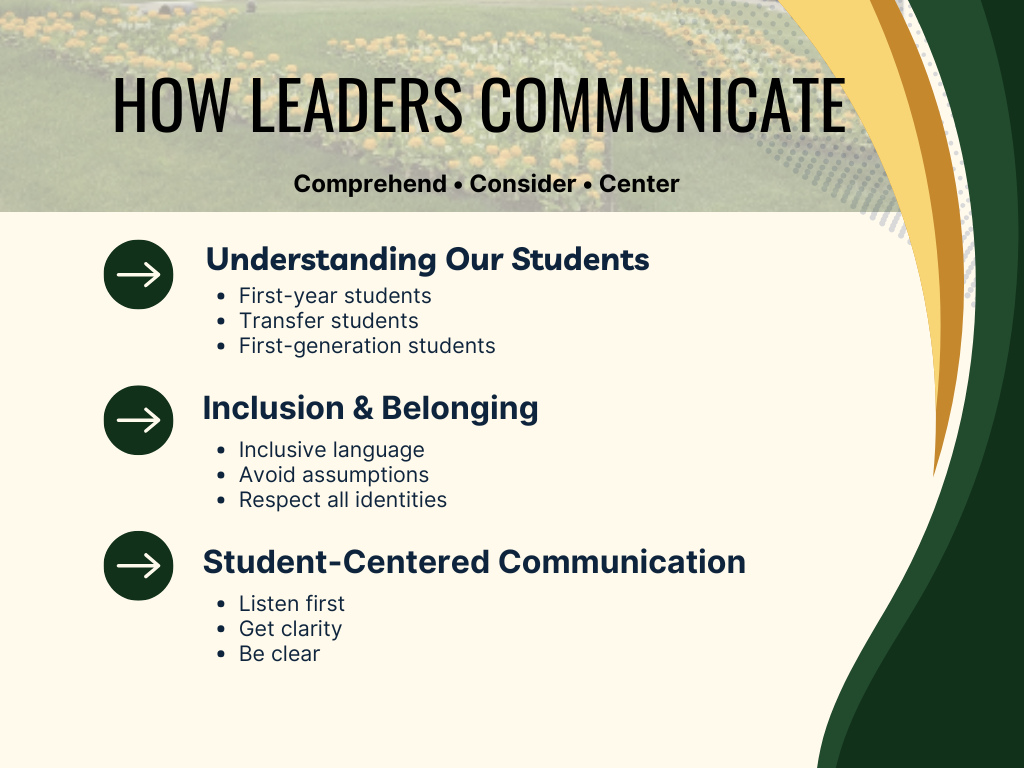
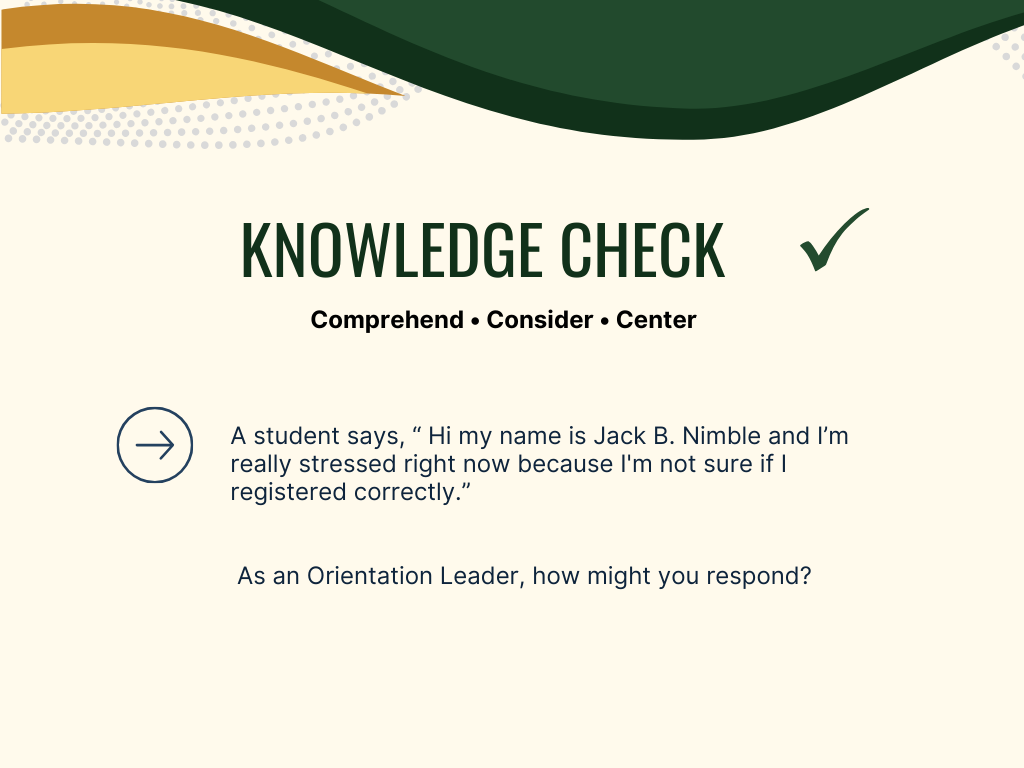
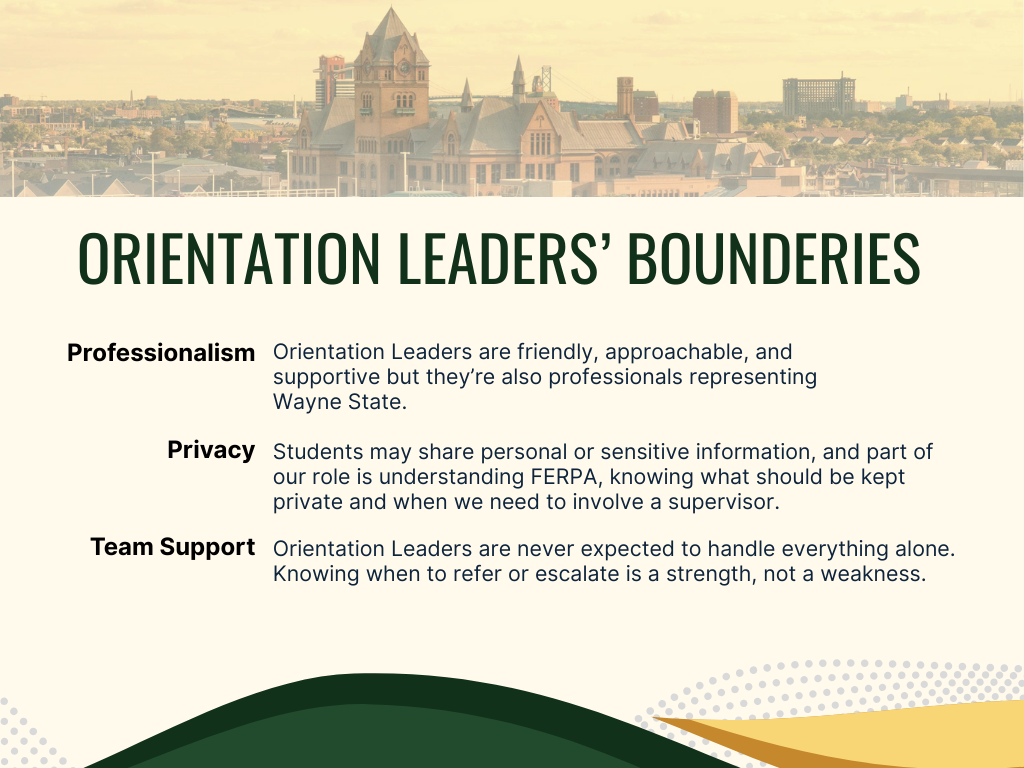
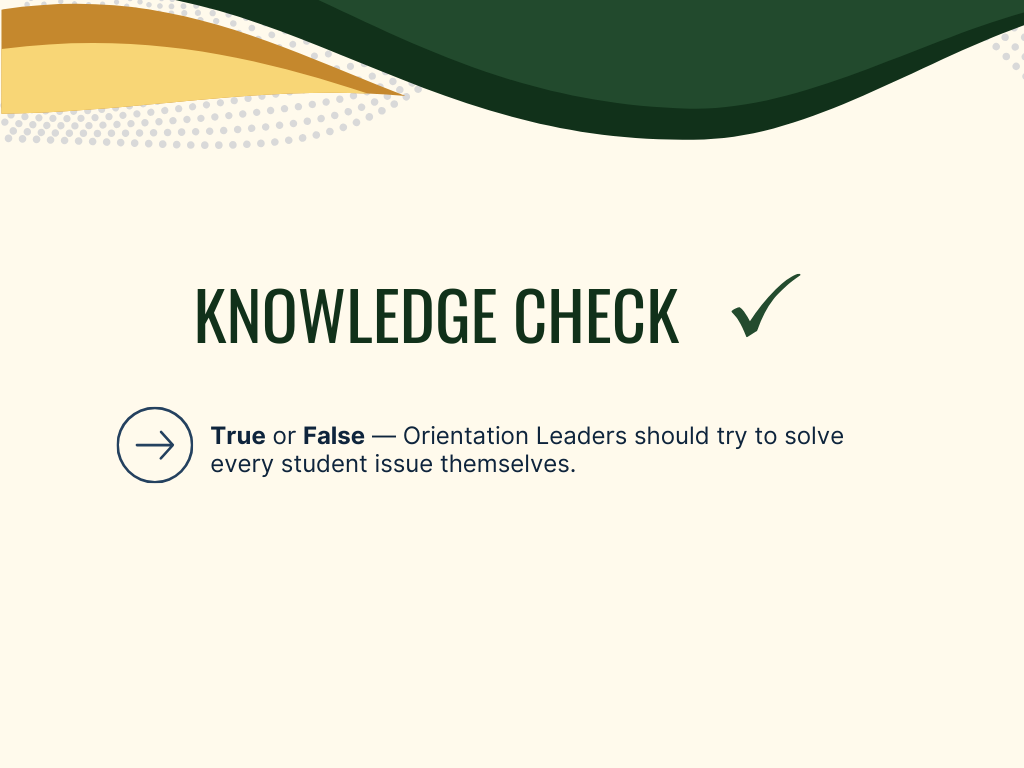

The Overview | Designing Orientation as a Student Experience
This university orientation training presentation was designed to support Orientation Leaders in creating a welcoming, inclusive, and confidence-building experience for new students and families at Wayne State University.
Rather than focusing solely on logistics, the presentation reframed orientation as a critical moment of transition, one that directly influences students’ sense of belonging, readiness, and trust in the institution.
The Brief | Preparing Leaders for a High-Impact First Impression
Wayne State needed a concise, engaging training session that could prepare Orientation Leaders to support student success while navigating a fast-paced orientation environment.
The presentation needed to answer one central question:
How can Orientation Leaders meaningfully support new students during their first extended interaction with the university?
The training was designed to deliver three outcomes:
Clear understanding of the Orientation Leader’s role in student success
Practical guidance for welcoming and inclusive communication
Confidence in connecting students and families to campus resources
The Goal | Orientation as Belonging, Not Just Information
The goal was to design a training experience that emphasized tone, empathy, and connection, positioning Orientation Leaders as guides rather than problem-solvers.
The presentation framed orientation as a blend of:
Transition — navigating new systems and expectations
Belonging — feeling seen, welcomed, and supported
Connection — knowing where to go for help
Each slide was intentionally minimal, allowing the spoken script to do the relational work while visuals reinforced clarity and focus.
The Structure | A Six-Slide, Audience-Centered Flow
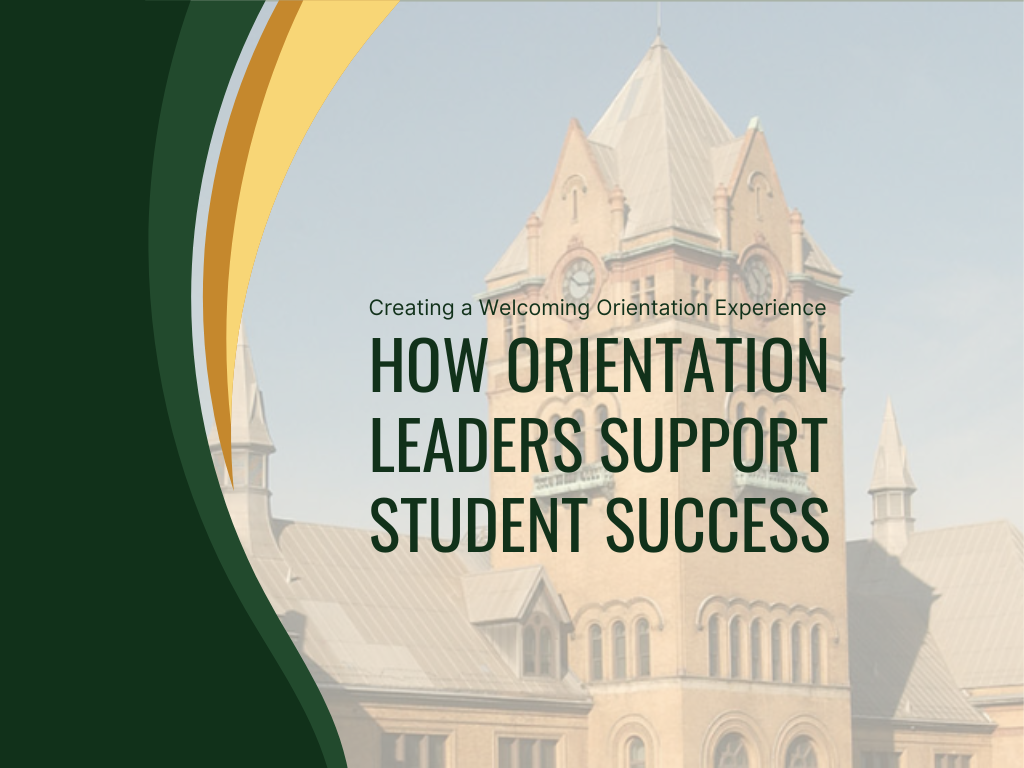
Title
Introduced orientation as a moment that shapes confidence and belonging, grounding the session in purpose rather than procedure.
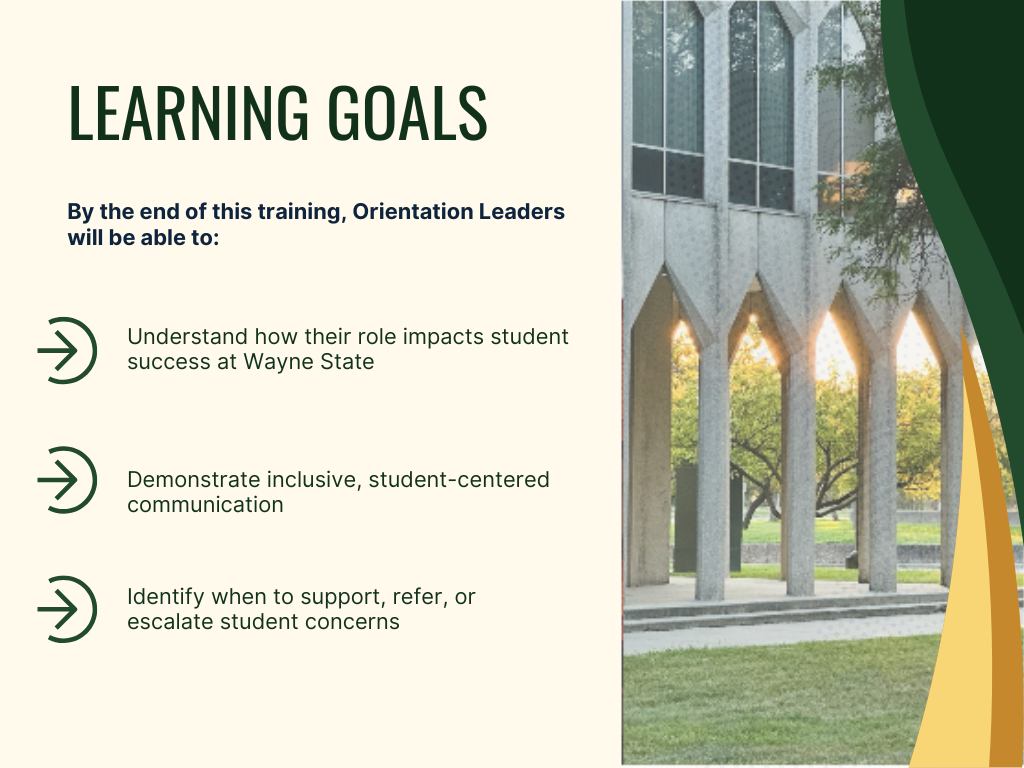
Learning Goals
Clearly named expectations so Orientation Leaders understood what success looked like by the end of the training.
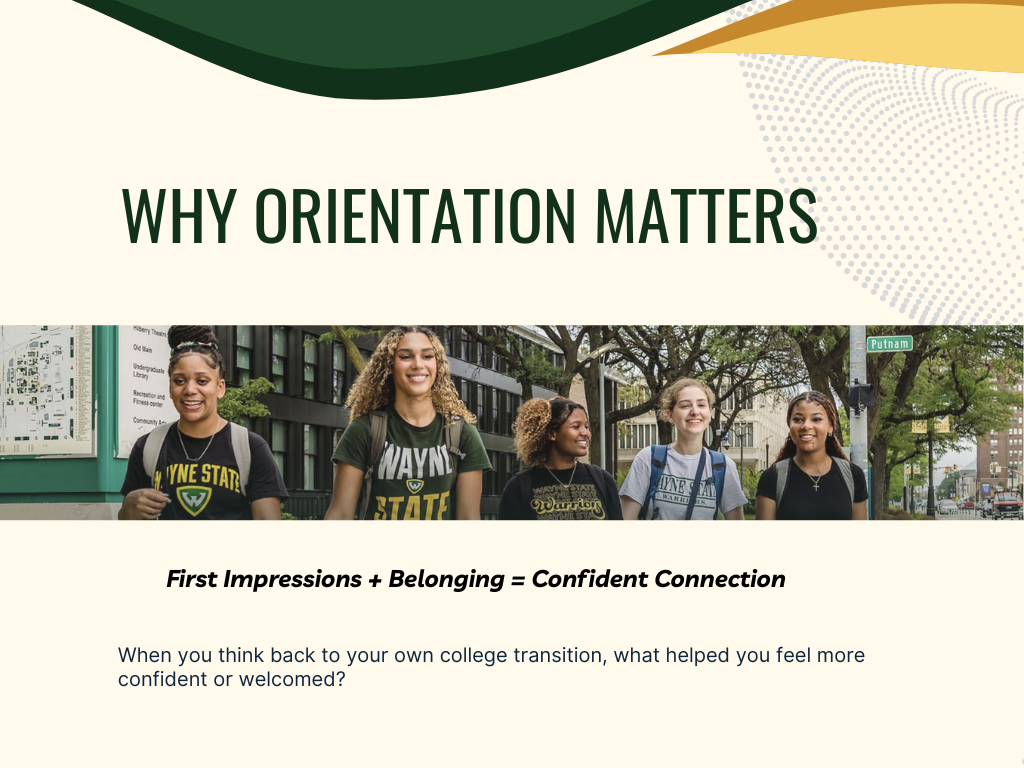
Why Orientation Matters
Contextualized orientation within Wayne State’s urban, research-focused environment and acknowledged common student anxieties.
An interactive reflection invited participants to connect their own college transition experiences to their role.
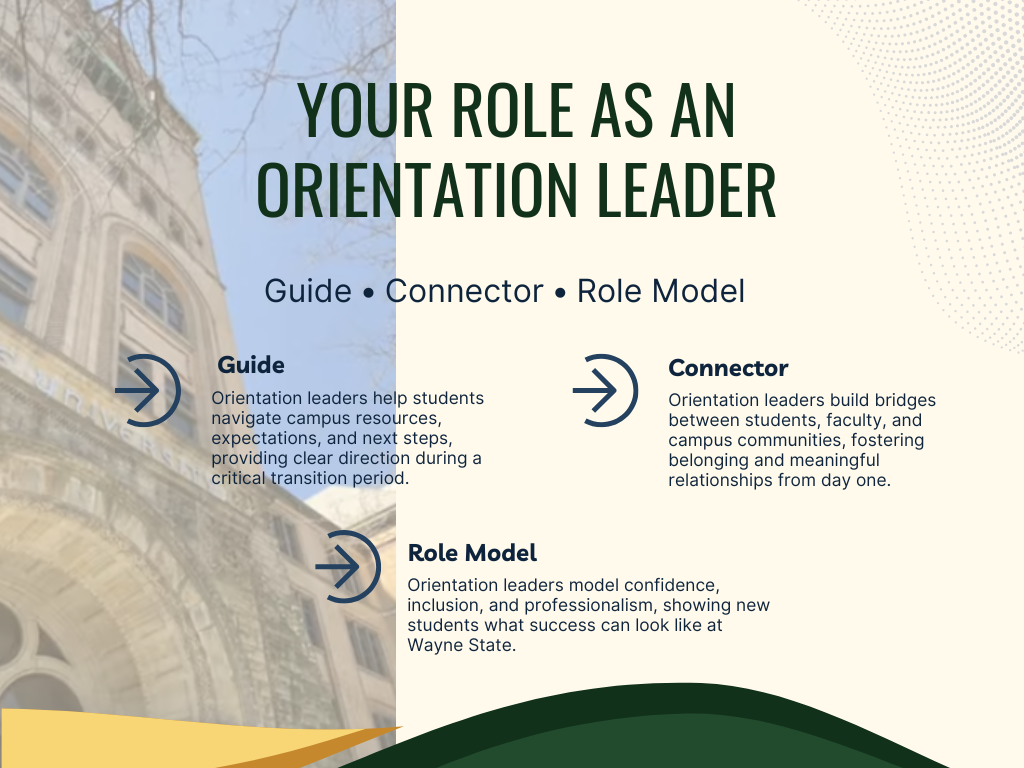
The Orientation Leader Role
Defined leaders as guides, connectors, and role models, supported by a short scenario illustrating how to respond with empathy rather than solutions.
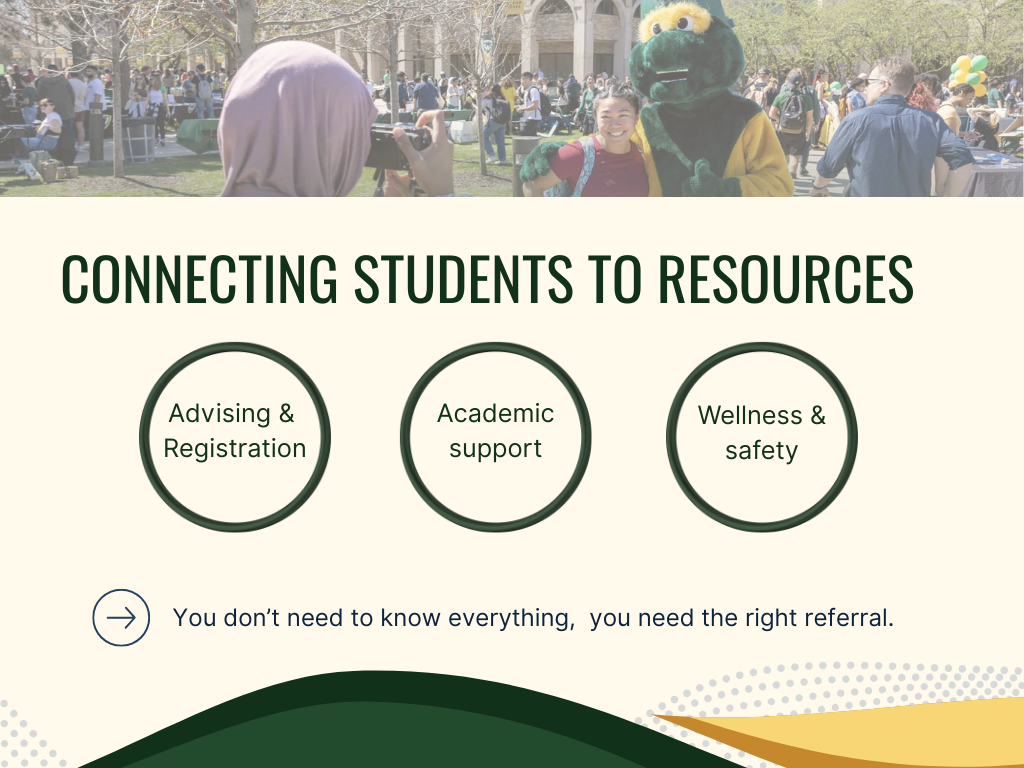
Connecting Students to Resources
Reframed referrals as a strength, offering simple language Orientation Leaders could use to build trust while directing students appropriately.
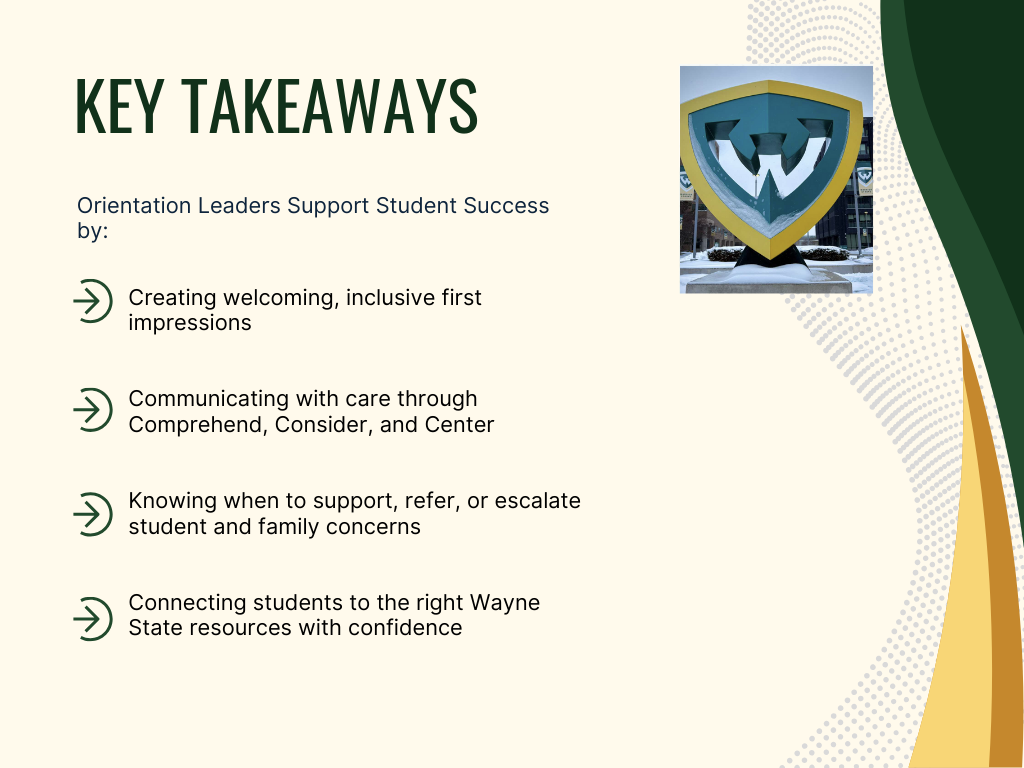
Key Takeaways
Reinforced three core principles: tone, belonging, and connection—ending with a reminder of the long-term impact of a single positive interaction.
The Process | From Training Goals to Presentation Design
Audience Analysis
Considered the needs of student staff balancing leadership responsibilities, peer relationships, and institutional expectations.Message Framing
Shifted the focus from operational tasks to emotional and relational outcomes, aligning with student success principles.Script Development
Wrote a word-for-word presentation script to ensure consistency, clarity, and confidence across delivery.Interaction Design
Built in reflection prompts and micro-scenarios to keep participants engaged and encourage shared learning.Presentation Structure
Designed a six-slide format with minimal on-screen text, allowing spoken storytelling to lead.
The Role | Strategic Communication & Training Design
My role included:
Developing the full presentation script and slide structure
Translating student success goals into clear, actionable messaging
Designing interactive moments to reinforce engagement
Demonstrate leadership philosophy and assessment strategies
This work bridged communication strategy, training design, and leadership development.
The Outcome | Orientation as a Foundation for Student Success
The presentation positioned Orientation Leaders as key contributors to student confidence, belonging, and institutional trust.
Key outcomes included:
Clear alignment between orientation work and student success goals
Practical language Orientation Leaders could use in real interactions
A repeatable training framework adaptable for future orientation cycles
The project demonstrated how intentional communication and thoughtful structure can transform a standard training session into a meaningful student experience.
